
Guide
How to Play Stranger Than Heaven
How to play Stranger Than Heaven is less “which tutorial box to tick” and more “which of Makoto’s two jobs is in front of you right now.” One job is staying alive in a country that did not invite him. The other is turning a smuggler’s offhand discovery — the boy can hear music in ordinary noise — into a touring life that will last five decades. This guide is the on-ramp: what the opening in San Francisco and Kokura is asking you to do, how the new combat and the showman tools share the same buttons-and-feet day, and which wiki pages to open when a system outgrows a first-hour explanation.
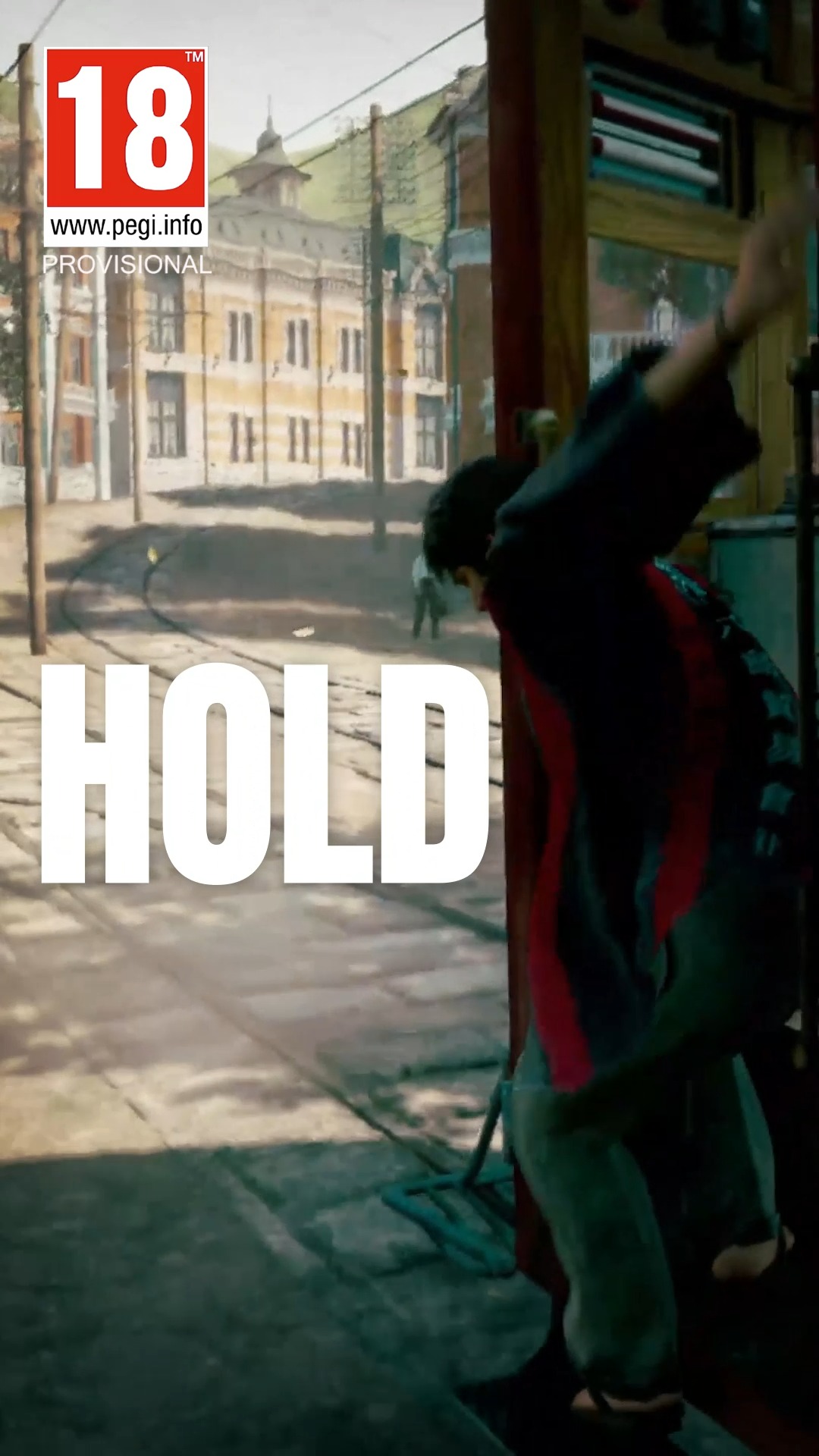
You do not need the rest of Like a Dragon
Executive director Masayoshi Yokoyama has been unusually direct: Stranger Than Heaven is not a tour of younger series regulars, and it is not homework. The Tojo Clan’s founding is the long fuse, which we unpack on the Tojo Clan page, but the playable present is Makoto Daito’s life. If you have never set foot in Kamurocho, you are not late. If you have, do not expect a cameo reel. Treat this as a new RGG action-adventure that happens to explain why a later organization exists.
What you do need is a controller. Trailers, the Steam page, and every hands-on describe combat as a bumper-and-trigger craft. Keyboard users should still read the controls page; SEGA has not published a final keyboard map, and the limb model is clearly built around a pad. Full controller support is already listed on Steam.
The opening asks you to survive a crossing, not win a war
San Francisco, 1915. Makoto, born to an American father and a Japanese mother, has lost both parents and is not accepted in his father’s country. He stows away. Orpheus — Snoop Dogg’s cutthroat smuggler — catches him, along with Yu Shinjo, another mixed-heritage kid with a sharper political hunger. The ship does not throw them overboard. It delivers them into Kokura’s foundry smoke, where drinking, gambling, and paid companionship are the entertainment because modern stages have not arrived yet.
Your first play question is not “which skill tree.” It is “who do I stand next to.” Orpheus uses Makoto as a Japanese-speaking wingman. Yu finds work faster and dreams of reshaping Japan. Those two pulls — survive versus transform — are the argument of the whole fifty years. The characters hub is worth a tab if you want the roster before names start stacking.

Learn the limbs before you collect the songs
Hands-on demos at Summer Game Fest were combat-only: 1915, 1929, 1943, rising difficulty, almost no free roaming. That is a hint about what the studio wants you fluent in. Map RB/RT to the right side of the body and LB/LT to the left. Tap for jabs, hold for a charged blow, use one side to block and the other to answer, press both triggers to tackle. If a thug grabs the hand that is holding a weapon, the free hand is still a weapon. Details and the official combat overview sit in combat basics.
Do not wait for a Heat gauge you remember from Yakuza 0. Previews describe a slower, more readable brawl. IGN’s floor impression even reached for Souls language — not because there is a bonfire, but because a greedy swing has end lag and the other guy does not politely wait if you panic-mash. The survive guide turns that into habits.
The second loop: listen, scout, stage, tour
Somewhere in Kokura, Orpheus notices Makoto can hold a tune. Gameplay-wise that becomes the recording verb: walk up to a sound in the world and save it. Era, district, and time of day change the library. Composers later let you assemble tracks. Rumors in the street point to singers. You place people on a stage, choose a setlist, and dress the production. That is the entire spine of how to run shows, and it is also why Deluxe’s extra performers are not paperweights.
Minigames still exist — arm-wrestling, dice, cards in Fukuoka, shooting galleries in Osaka — but Yokoyama has already warned that a historical setting means fewer toy-box distractions than a modern Kamurocho. Do not plan your playstyle around UFO Catchers. Plan it around fights and bills you can take on tour as the decades jump.
How a session should feel after the tutorial dust settles
A healthy session in this game, based on what has been shown, is a district day: settle a street problem with the limb system, pocket two or three interesting sounds, follow a rumor toward a performer, then either stage a show or move the story to the next bruise. When the decade changes, the city changes — Kure’s arsenal politics are not Kokura’s foundry vice, and Osaka’s wartime glitter is a different social engine again. Use the era timeline if you lose the plot of which year you are standing in.
Before you spend money, decide your storefront. Game Pass on Xbox and PC is day one. Play Anywhere means a Microsoft buy covers both. Steam is a separate PC copy with Denuvo. Physical collectors have a $129.99 box with vinyl. All of that is shopping, not play, and lives on editions plus platforms. Come back here when you actually have a title screen.
Frequently asked questions
Frequently asked questions
Is there a difficulty option shown yet?
Hands-on players mentioned a high-difficulty boss scenario at the end of the three-part combat demo. Final menu options have not been published. Expect RGG’s usual range, but do not assume auto-easy for the limb system.
Can I skip show business and only fight?
Unclear until review copies. Abe presents music as a major mechanic, not a toggle. Plan to engage with recording and scouting even if you never buy Deluxe’s extra performers.
Does the mixed-language voice track change how I should set audio?
There is one track: Japanese and English (and other tongues) appear based on who is speaking. You are not choosing a full dub. Subtitles are the safety net; pick the subtitle language you actually read.
Keep reading