Playbooks
Stranger Than Heaven Guides
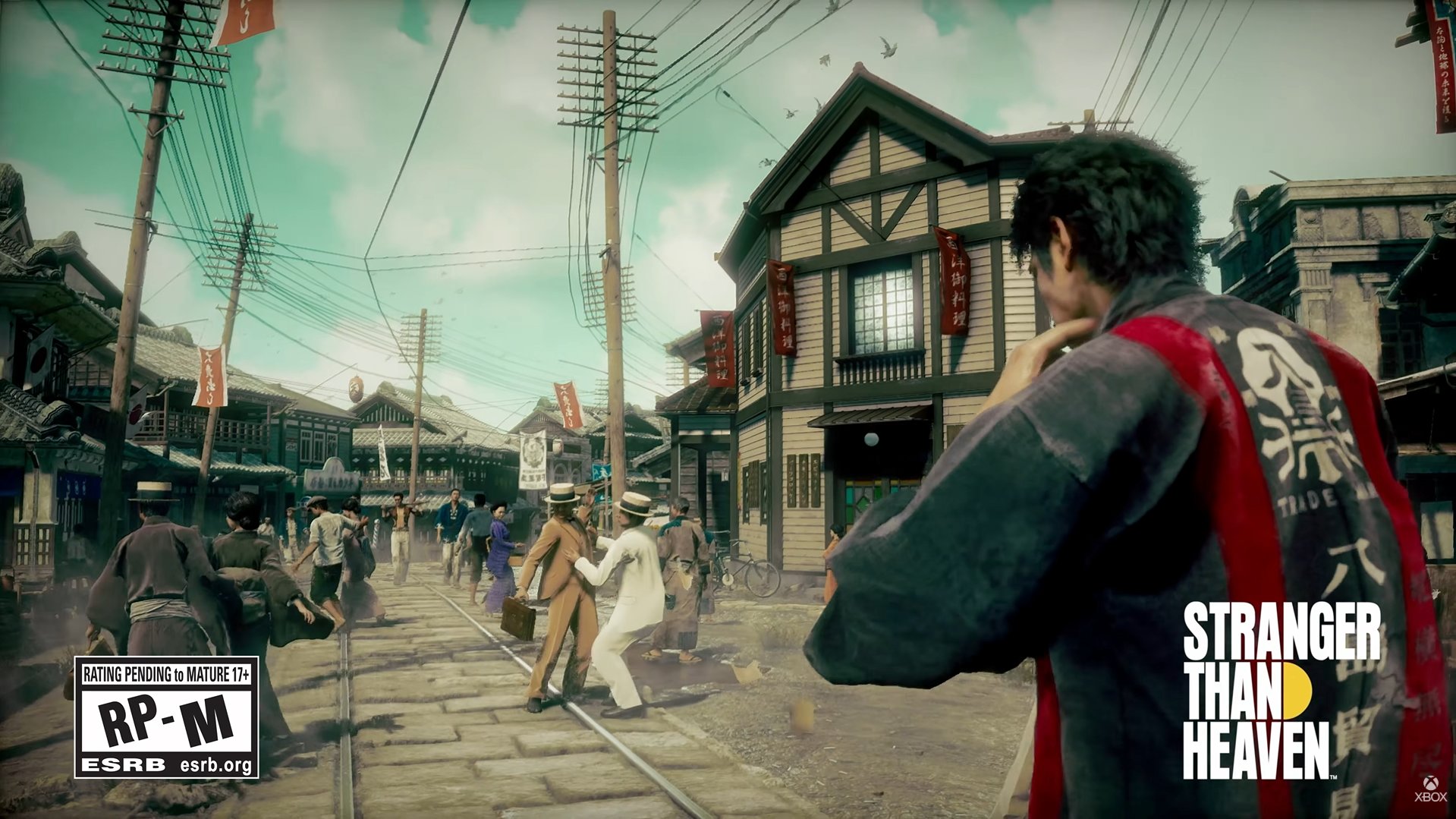
These guides exist because Stranger Than Heaven asks players to learn two crafts at once: a body split across four buttons, and a show-business career built from street noise. After Gamescom, a third craft is on the record: walking denser cities than RGG has ever shipped. Nothing here pretends the full game is out. Every recommendation is grounded in SEGA trailers, the Xbox Presents broadcast, the Summer Game Fest combat demos, and the official twelve-minute Gamescom playthrough. Use the playbooks below as a reading order, then branch into combat, city, and edition pages when a system needs more room.
A reading order that matches the first hours
Start with how to play Stranger Than Heaven if you have not touched a RGG game since the series went turn-based. That page explains the dual identity of the campaign: you are a stowaway who has to eat, and you are a musician who has to be heard. It also answers the “do I need Like a Dragon first?” question in plain language — Yokoyama has said this is a standalone Tojo origin, not a greatest-hits tour of younger Kiryu.
Once the premise is clear, open combat basics before you watch another fight trailer. The bumper layout looks simple in a five-second clip and feels alien the first time an enemy pins your weapon arm. The basics guide walks through charge attacks, one-sided blocks, tackles, and the ground game that Shacknews compared to a UFC scramble. Keep the combat cheatsheet nearby; it is the same information as a screenshotable grid.
Showman guides sit beside the brawls, not after them
A common mistake in coverage is treating music as flavor. In the Xbox recap, director Mikinobu Abe described Makoto memorizing the city — brooms, trains, snores, the thud of a body — and feeding those recordings to composers. How to run shows is the page for that loop: scout rumors, recruit singers such as Takashi and later Suzy Day, arrange a five-piece on a stage, pick lighting, and tour. Deluxe’s extra performers and stage items only make sense after you understand that loop, which is why the show guide links into the editions hub.
The last playbook, how to survive the streets, is the crowd-fight hygiene guide. Demo players were dropped into 1915, 1929, and 1943 scenarios of rising difficulty without free exploration. The survive page extracts habits: do not empty both arms on the first goon, watch for grabs on a weapon hand, and use the environment when a cinematic finisher is offered. It is the practical twin of the combat overview.
What these guides will not invent
There is no chapter-by-chapter walkthrough because SEGA has not shipped one. There is no drop table for every katana. There is no list of substory rewards. RGG has already said substories will feel different from modern Like a Dragon side content, and historical events appear only when they touch Makoto. When those lists exist, they will land on this hub. Until then, the honest work is teaching the verbs the trailers actually show: strike left, strike right, listen, scout, stage, survive.
If you arrived from a search for “Stranger Than Heaven walkthrough,” use the cities guide as a chapter map and the story page for spoiler-light plot. Combat inputs live under controls. Shopping questions belong on should you preorder rather than inside a how-to.
How the four playbooks link to each other
Each guide page in this cluster points at the other three. How to play sends you to combat basics as soon as Orpheus drags Makoto onto a Kokura dock. Combat basics sends you to survive when the demo’s third scenario, the 1943 Osaka brawl, starts to look like a boss test. Survive sends you back to weapons because a crowbar in the right hand changes what the left hand is for. Run shows sends you to the cast because several singers are played by real musicians whose theme song you have already heard in the first trailer.
If a video on one guide covers the same footage as another, we do not duplicate it. One page, one embed, placed in the middle of the article so the text around it can pause and explain. That rule is why the combat overview trailer sits in combat basics, while the SEGA story trailer sits in how to play, and the street-combat trailer sits in how to survive.
Frequently asked questions
Frequently asked questions
Are these guides spoilers for the 1965 ending?
No. The hub and its four playbooks stay in the publicly shown 1915–1943 slice plus the officially described Atami and Shinjuku setups. Yokoyama’s “tremendous secret” is mentioned, not explained.
Will you add a trophy list or substory checklist?
After review copies exist. Pre-launch pages stay on systems, cities, editions, and verified footage.
Which guide should Game Pass players open first?
How to play, then combat basics. You can ignore edition math unless you also want Deluxe extras on top of Game Pass.
Keep reading