
Cities
Kokura 1915
Kokura 1915 is the first Japan Makoto Daito is allowed to stand in. Official language calls it a smoke-scorched foundry town, one of the largest of its kind in the world of the pitch, stuffed with workers and with the kinds of entertainment you buy when a modern stage has not been built yet: drink, gambling, paid companionship. This page is the landing-district guide — what the city is for, who owns the first hours, and how combat, vice, and music share the same soot.
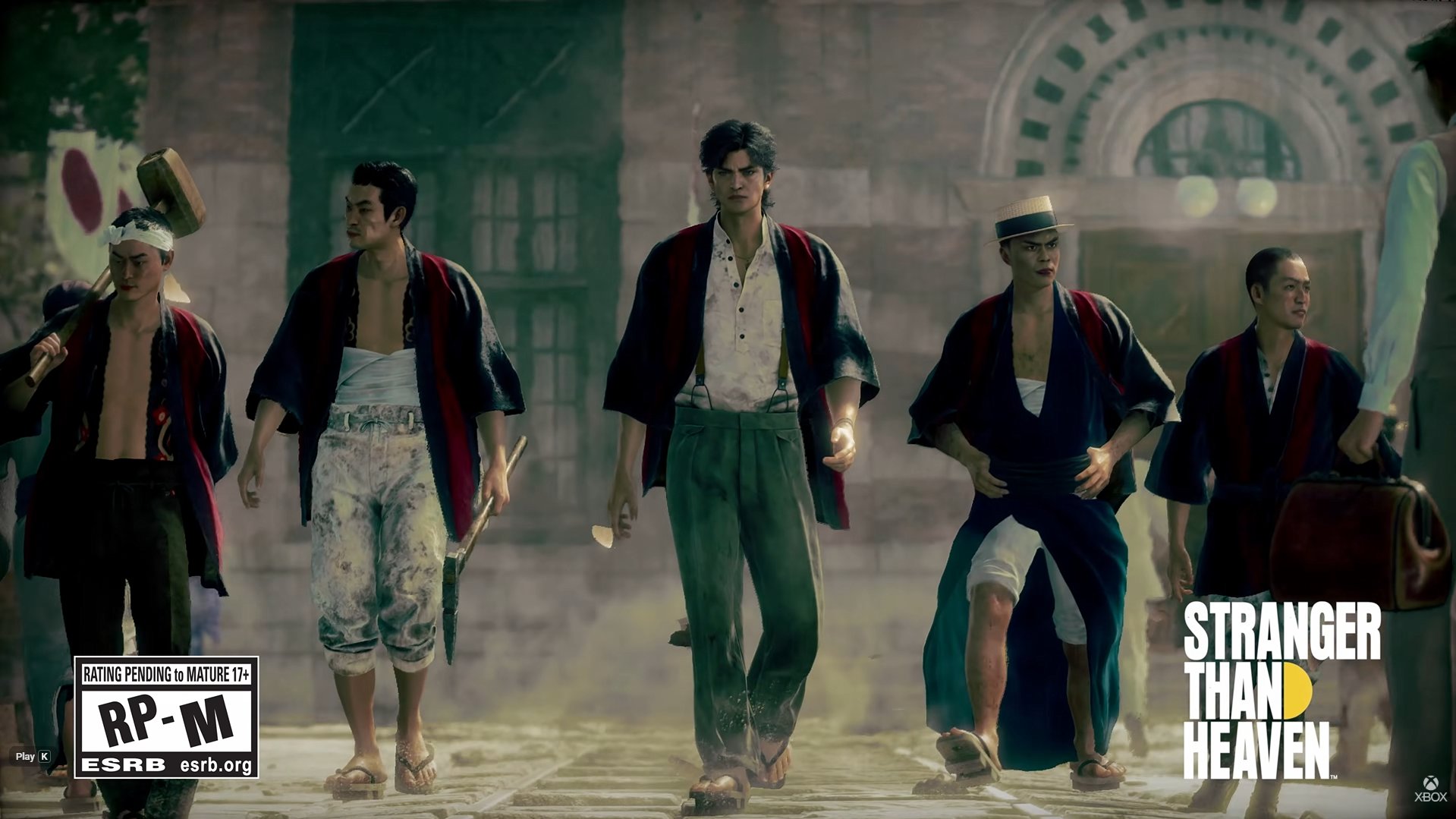
A port that receives stolen lives
Orpheus’s ship does not deliver crates here so much as two boys. Makoto speaks Japanese, which makes him useful. Yu finds work faster as a Westerner who already knows what he wants. The city is full of people who came from somewhere else to stand next to a furnace. That labor story is the social camouflage for a crime story. You will not be given a tourist brochure. You will be given tables, alleys, and a smuggler who needs a wingman.
The how to play guide treats Kokura as the tutorial of identity: who do you stand next to. This page treats it as a place. Foundry smoke is not wallpaper. It is why the sound library will be metallic and human. If you care about later compositions, start recording here. The broom of 1915 will not spawn in Shinjuku.
Vice is the entertainment system
Xbox Presents listed arm-wrestling, dice, and card games among Fukuoka pastimes. That is the minigame diet. It is smaller than a modern RGG toybox on purpose. Yokoyama has said the historical frame means fewer minigames. Do not hunt for a 1915 cabaret you saw in Yakuza 0; the pitch is that modern entertainment has not arrived. Pleasure is rougher, more transactional, more dangerous. If a table wants your money, assume the table has friends.
Street fights in the 1915 demo slice were the first of three escalating arenas. Tools and knives fit a workers’ town. Read how to survive before you charge both arms into a drunk circle. The city will keep handing you bodies if you keep handing it openings. Spare a limb. That is Kokura etiquette as much as combat tech.
Where the showman is born, accidentally
Orpheus notices the talent. That sentence is the hinge of the whole product. A smuggler hears a kid and the fifty-year musical career starts as a side effect of crime. You should be pocketing sounds while you run errands for men who do not deserve a soundtrack. Composers come later. The library starts now. Practical steps sit in how to run shows. Emotional context sits in Makoto’s page.
Yu’s ambition is already too big for a foundry town. The split that sends them apart happens in Fukuoka. Play Kokura knowing the friendship is not a comfort blanket. It is a countdown. When the decade finally dumps you into Kure, you will want to remember who taught you to fight and who taught you to want more. Both lessons start in this soot.
What we will not fake on a map
No unlabeled screenshot collage will become a street name here. Journalists did not get to roam. SEGA’s adjectives plus the five-eras trailer are the honest sources. When a review copy prints a landmark — a specific foundry gate, a gambling house name, a dock number — it will go in a table on this page. Until then, navigate by purpose: docks for Orpheus, alleys for limbs, rooms for dice, crowds for rumors.
If you are shopping, Kokura is in every edition. Deluxe does not buy you a nicer 1915. It buys performers and steel you will use later. Game Pass includes this city on day one. Your remaining decision is whether you want Kagekiri in your hand when the first knife fight starts, which is a preorder question, not a geography question. Geography is soot, vice, and a boy listening to a broom while the foundry eats the sky.
Frequently asked questions
Frequently asked questions
Is Kokura a real place?
Yes. Kokura is part of Kitakyushu in Fukuoka Prefecture. The game’s district is inspired by it, not copied as a 1915 survey map.
Can I stay in Kokura after the story moves?
Not shown. The structure is successive eras. Record what you care about before the foundry becomes memory.
Does combat feel different here than in Osaka?
Same limb system, different crowd and tools. 1915 was the easiest of the three demo slices. Habits still apply.
Keep reading