
Characters
Makoto Daito
Makoto Daito is the entire fifty-year bet. Yu Shirota plays a Japanese-American man who is never fully claimed, which Yokoyama called a perfect piece of casting because the actor’s own mixed background rhymes with the role. This page is the protagonist dossier: where he comes from, what the cities do to him, how the sided combat is his body, and how the showman systems are his other body. For the rest of the ensemble, use the characters hub and the cast list.
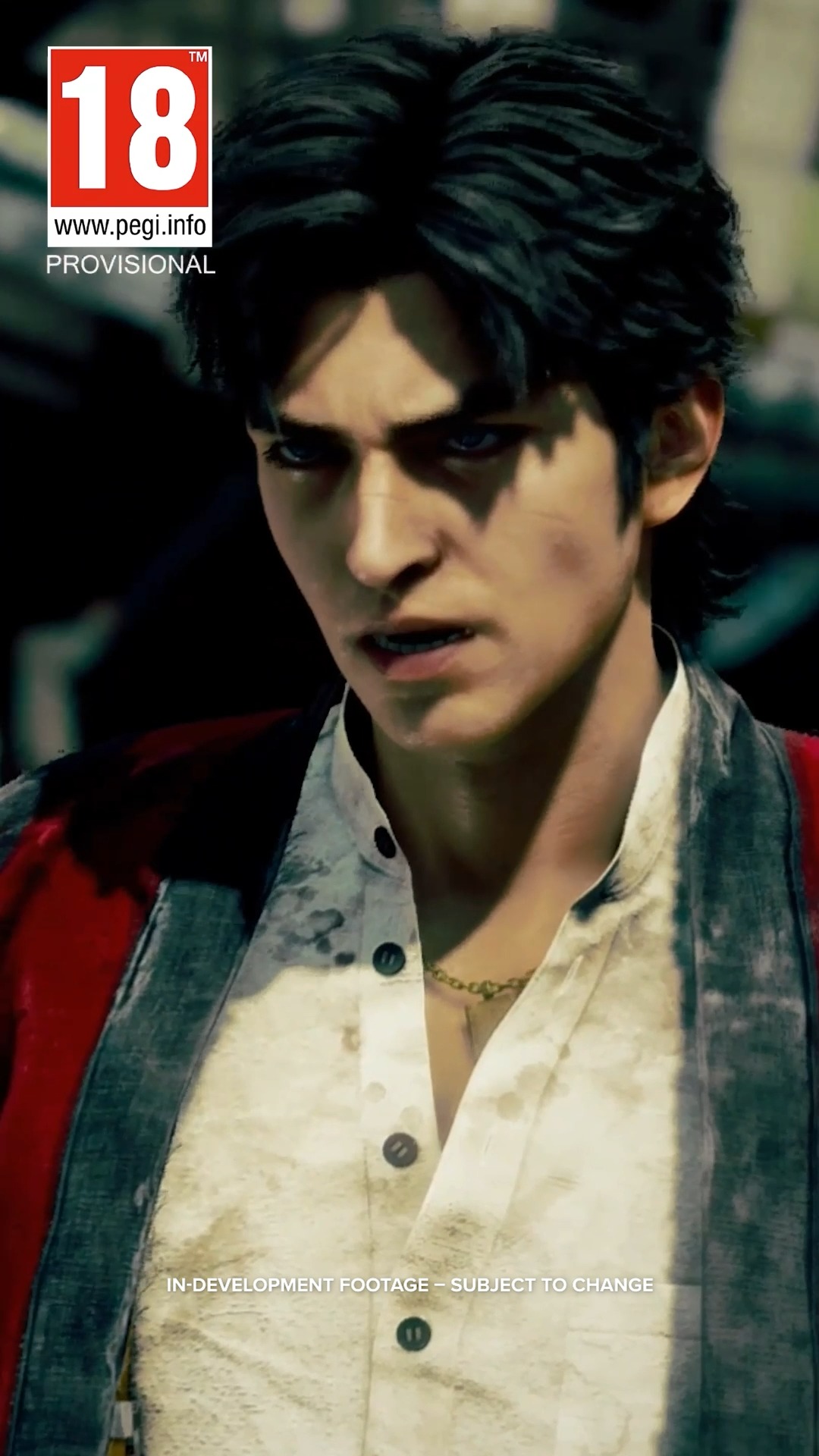
A boy the United States would not keep
Born to an American father and a Japanese mother, Makoto loses both parents young and learns the West as persecution. In 1915 he stows away in San Francisco on a ship that belongs to Orpheus. He is caught. He is not thrown into the Pacific. He is delivered into Kokura with Yu Shinjo, another mixed-heritage kid who wants more than a bunk. Official copy is blunt about the wound: if the United States will not accept him, maybe Japan will. Japan will not be gentle either. That is the joke and the engine.
Shirota and Dean Fujioka both have musical careers, which Yokoyama used as extra glue. Makoto’s ear is not a minigame pasted on a gangster. It is the talent Orpheus notices while using him as a Japanese-speaking wingman. If you skip the recording verb you are skipping the character. The show guide is therefore also a character guide.
Names he earns with his hands
In 1929 Kure he falls in with the Iwaki Family, Hiroshima’s strongest organization as the broadcast told it, and becomes known as the Red Oni. That is a yakuza name, not a merch line. It means families are watching the sided brawler we teach in combat basics. The independent limbs are a metaphor the combat team probably did not intend and the story team will happily take: a man whose halves are always in negotiation, American and Japanese, punch and song, Yu’s politics and his own wish to simply be allowed to exist.
1943 Osaka reunites him with Yu as partners in show business under wartime glitter and foreign mafia pressure. 1951 Atami puts him in a tourist town where American fashion and language leak into the postwar air — a cruel rhyme for a man America rejected. 1965 Shinjuku is the pleasure district where Yokoyama promised a tremendous secret. We will not guess it. We will say Makoto is old enough by then to have outlived several versions of himself. The era timeline is the birthday chart.
How he plays in your hands
You do not pick a job class. You pick a limb. You pick a sound. You pick a singer. Deluxe’s original outfit is a costume for the same body, not a new protagonist. The electronic camera and record player are how a later Makoto might remember earlier Makotos. None of that changes the fact that a grab on his weapon arm still leaves a free fist. He is written as a survivor who learned to keep a spare. Play him that way. The survive page is his street gospel; the combat overview is his anatomy lesson.
Voice follows context. A scene with Orpheus will not sit in the same language weather as a scene with an Iwaki patriarch. There is no “English Makoto” toggle that rewrites the docks. Subtitles are how most players will hold him. That is character, again. A man between languages is performed between languages. See platforms for the subtitle list, including the ones this wiki itself does not localize into.
What “founder” should mean before you finish the game
Reference works describe Makoto as the eventual founder of the Tojo Clan. Yokoyama describes a standalone saga that will not restage later heroes as children. Both can be true if Tojo is an institution Makoto helps into being without the game becoming a homework packet for Yakuza 1. Hold the word “founder” loosely until the credits. The Tojo page is the caution tape. This page is the person.
If you came here from a search for “Makoto Daito wiki,” your next clicks are the story overview, the 1915 Kokura guide, and how to play. If you came here because Shirota’s casting news is the hook, stay for the Red Oni and the broom recordings. He is not a silent protagonist. He is a man who keeps finding music in the worst rooms in Japan, then hitting someone with the left hand he still has free.
Frequently asked questions
Frequently asked questions
Who plays Makoto Daito?
Yu Shirota, acting and likeness. Yokoyama highlighted the actor’s mixed-race background as a reason the role fits.
Is Makoto playable in every era?
He is the single protagonist across 1915–1965. There has been no announcement of additional player characters.
Why is he called the Red Oni?
In 1929 Kure, after aligning with the Iwaki Family, he becomes known as the Red Oni among the yakuza organizations of that port city.
Keep reading